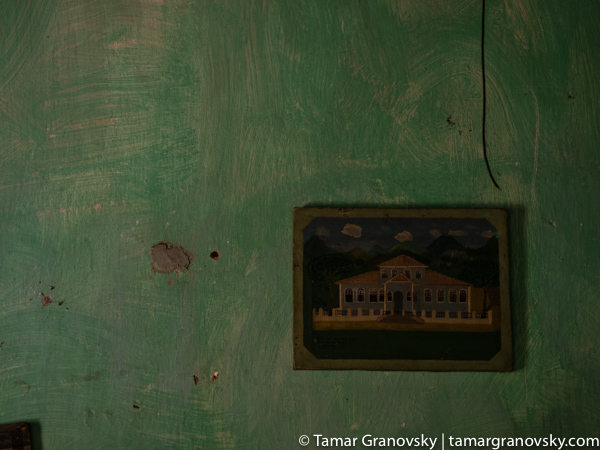
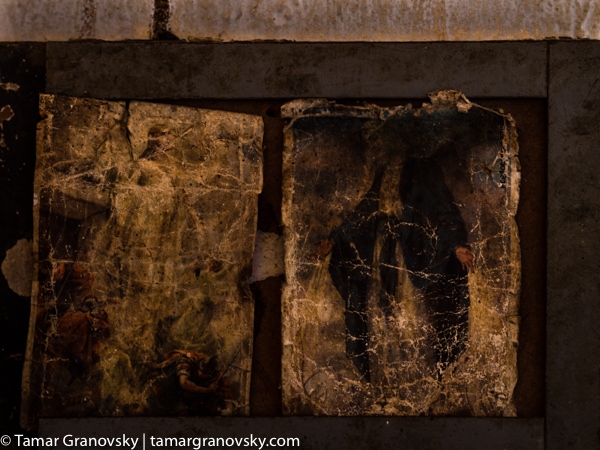
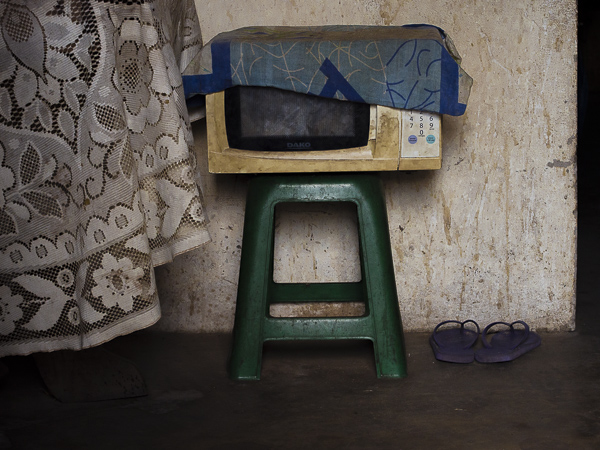
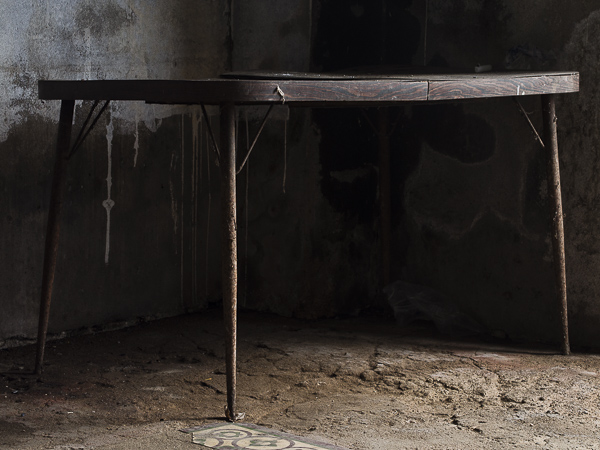
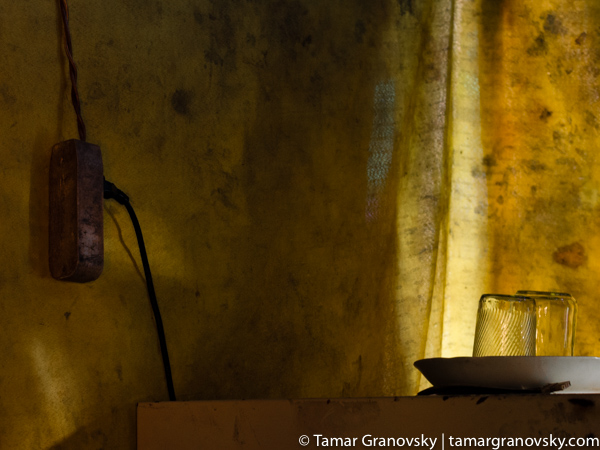
Living Room. Arandai, Chapada Diamantina, Brasil
In my last post I wrote:
This [most recent] trip to Brasil was an eye-opener for me on a few levels. I felt that I was walking on a tightrope in… the country… I became very conscious that behind the myth of a magical/spiritual Bahia lies a very difficult, and sometimes unbelievably harsh, world of poor, landless, and/or homeless people who suffer yet are determined to surmount obstacles. They struggle daily to survive – and do not always succeed.
I saw a great deal of poverty and began to understand that it is difficult to break through social and economic obstacles (due to the dramatically unequal distribution of income ) – *many* people live in destitution. Black Brazilians are among the poorest. Throughout the country, they live in sprawling favelas (slums) or in abandoned buildings and warehouses, as part of the Movimento dos Sem-Toto (Roofless Movement). In the Bahian countryside it is common to pass through small villages where the housing is barely basic and where multiple generations of people live together. Quilmbos (also known as mocambos), are plots of land given to those who are entitled to slavery reparations. There is a pervasive lack of decent education there too. The chances of getting out of these conditions are slim to none.

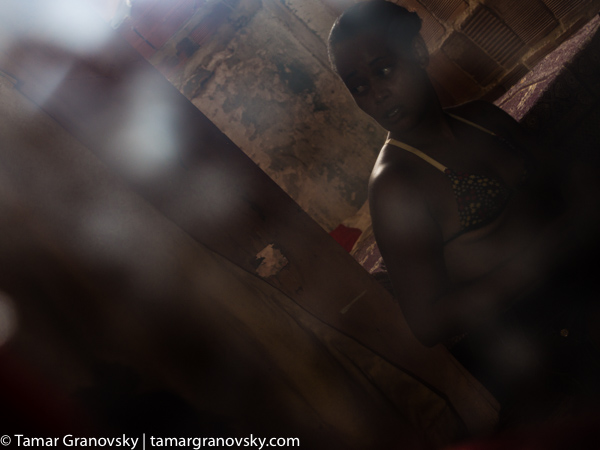
Man in Living Room. Arandai, Chapada Diamantina, Brasil
Yet I also saw strength, endurance, and hope surface in daily life. Upon reflection, I understand this hope to be related strongly to religion. Perhaps it is because the state of Bahia is at the centre of Afro-Brazilian culture and that the Baianos (as the people are called) practice religious and festive traditions that go back to their African ancestry. While I was at the coast, I had the opportunity to experience three different celebrations of Iemanja (the goddess of the sea). In the region of Chapada Diamantina, I witnessed the preparation of the local Patron – a part of the Umbanda religious celebrations in one particular small village. Umbanda combines Catholicism, African, and Kardecistic religions and is headed by a Catholic saint (sadly I missed this celebration because of food poisoning).
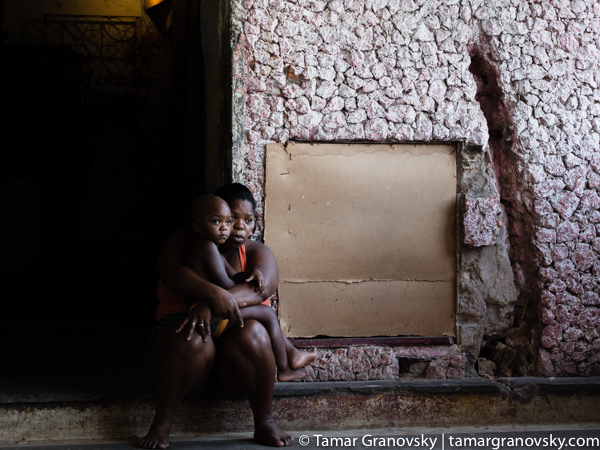
Mother and son on the doorstep of one of Salvador’s Movimento dos Sem-Toto buildings. Salvador, Brasil
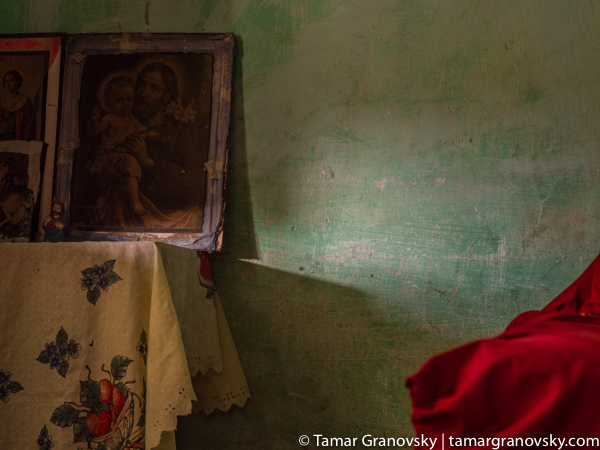
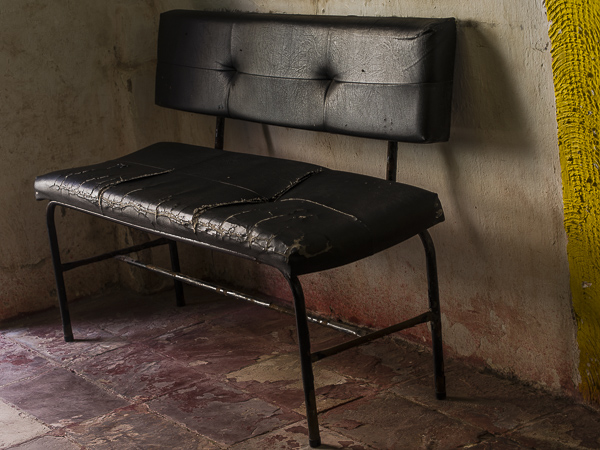
Living Room. Arandai, Chapada Diamantina, Brasil
Saudade is the word Portuguese colonists used to express their longing for their mother country; it is considered a melancholy nostalgia for something that may not have even happened and thought of as a central element of the Portuguese soul. It is said that this was the same feeling that was intrinsic to the African population that arrived in Brasil as slaves and who were sick and nostalgic for the homeland from which they were uprooted. It continues today as the millions of Afro-Brazilians hold on to their culture, religion, and traditions. And yet, nevertheless, I was able to see how these utterly impoverished people are able to find love and joy in the everyday, despite acute daily hardship. They are extroverted, are touched by the mystical, and ache for something long-gone. Looking at my photographs, with the distance of just a few weeks, I see that much of what I caught on camera was a mere glimpse of narrow lives, people with a shared past, a long history but an uncertain future.

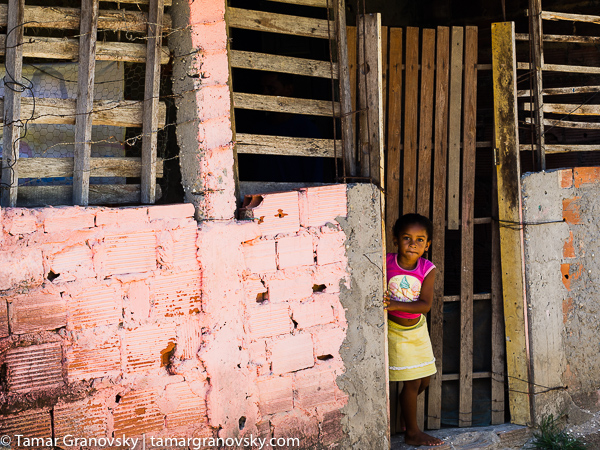
Girl. Arandai, Chapada Diamantina, Brasil
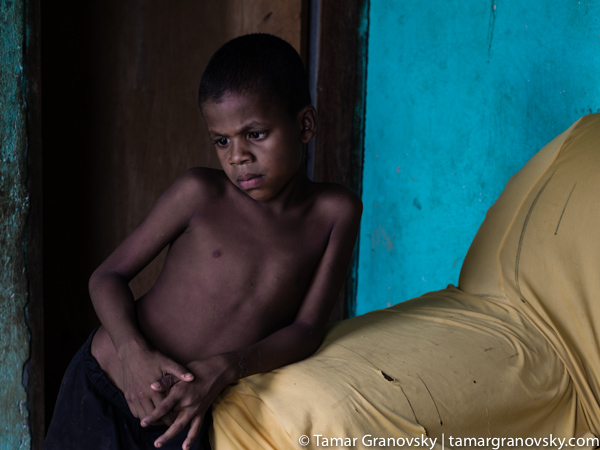
Boy. Arandai, Chapada Diamantina, Brasil

Girl. Quilumbo near Cachoeira, Bahia, Brasil

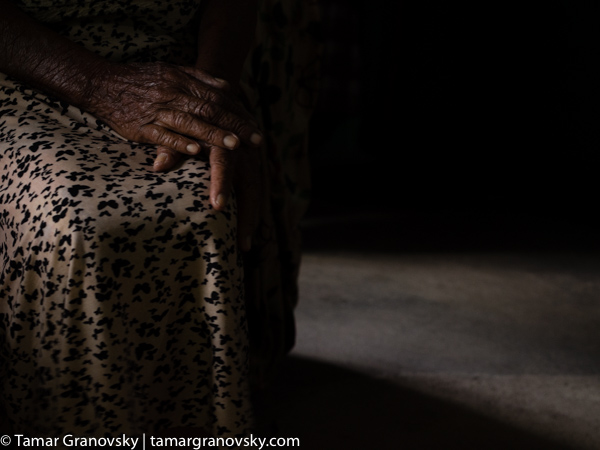
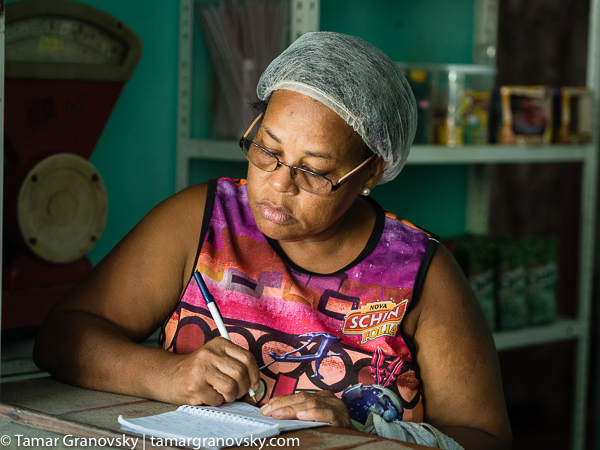
Woman. Arandai, Chapada Diamantina, Brasil

















 Tamar Granovsky | Wanderings Afar and Near