Author Archives: Tamar Granovsky

Unknown's avatar

About Tamar Granovsky

Tamar Granovsky began working in photography in Boston, Massachusetts. She is now based in Montreal, Quebec. In 2018 she was named LensCulture’s Top 50 Emerging Talents. She has been included in various juried group exhibitions including the 5th Biennial of Fine Art and Documentary Photography in Barcelona; Photography Now 2017, at the Center for Photography in Woodstock; and the 22nd Juried Show: Peter Urban Legacy Exhibition at the Griffin Museum. In 2020 her work appeared in Boston as part of 8th Edition Regional Photographers Showcase of The FENCE. Her first solo show was at Cambridge’s Multicultural Arts Center, in September / October 2019. Prior to her career as a photographer, Tamar had several solo and group exhibitions, in Canada, in mixed media sculpture installation and was a recipient of a Canada Council Exploration Program Grant. Her pursuit of photography follows a career in sculpture, with a 17-year hiatus from the arts, as an archivist. The reflective, evocative, and grounding properties of the medium feed Tamar’s love for photographic work.

It’s All a Blur

Rockport, Maine

Maine

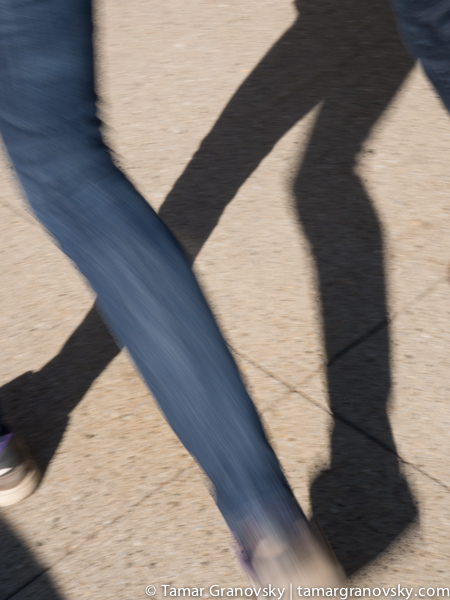
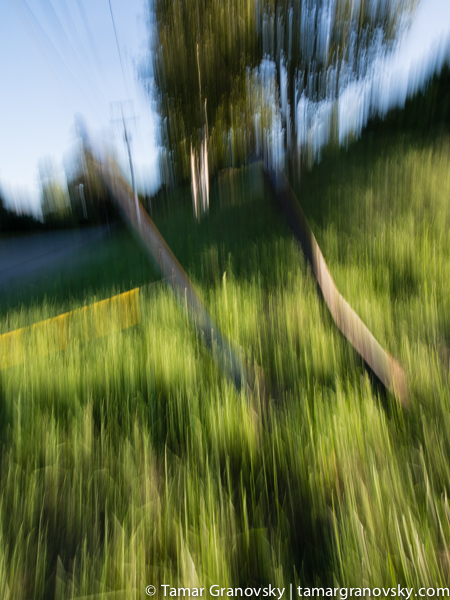
Many people associate movement in photography with fast moving subjects. But movement or blur, with intention, of slower or still subjects can turn out brilliant. I believe a photographer must be able to control her/his photographs. When I take a portrait I always focus on the eyes of my subject. When doing street photography, however, I do not have control over people’s action so I concentrate on framing the shot first for composition and then decide whether I want to use the camera as a tool to stop the movement or to emphasize it. Visualizing the potential of the scene/frame is key to getting all the elements in place as I shoot. To emphasize motion I set the camera on a low shutter speed and take shots so that the longer exposure time captures the moving subject. On and off I have played with this “style” of blur and the quirks related to it. Using a technique to obscure can add a painterly aspect to a photograph. It can also bring about an intangible or elusive feeling- whether it is frank or “natural” photographs or creating a more abstract feel of a place and time. Which may reflect my view on life… mysterious and abstract…. unfathomable.

Diner, Florida

Florida

Skateboarder, Maine

Maine

Xingping, Guangxi Province, China

China

Camden, Maine

Maine

Street Scene, Maine

Maine

Outside my Home

Outside my Home


I’m a City Girl: Boston

Boston Skyline

Boston Skyline of the Fenway/Kenmore Area

People love to visit Boston – the largest city in New England. It is full of history, excellent food, good sports, fun things to do for the whole family, and right by the ocean! Boston is also a city of diverse neighbourhoods and, believe it or not, many were established as towns, historically. However, they were eventually seized by Boston. Perhaps because of this past annexation there is a strong pride and connection to those who come from these neighbourhoods. When asked where they are from, many people will tell you they are from “Eastie” (East Boston), “Southie” (South Boston), “Dot” (Dorchester), or, “JP” (Jamaica Plain); they do not say, “I’m from Boston.” Similarly, people who live in the suburbs often will tell you that they are from Boston. No matter, the photographs in this posting were taken in Boston proper or on one of the bridges into Boston from Cambridge, with a Boston skyline ahead of me. Boston proper consists of the following districts:  Back Bay, Beacon Hill, Chinatown, Downtown, Fenway-Kenmore, the Financial District, Government Center, the North End, and the South End.

Mary Baker Eddy Library Pond

Mary Baker Eddy Library Pond, Back Bay

Charlie's Sandwich Shoppe

Charlie’s Sandwich Shoppe, South End

Off of Harrison Avenue

Off of Harrison Avenue, South End

Carrying Bags from Chinatown

Carrying Bags from Chinatown

Downtown Crossing

Downtown Crossing

Downtown Crossing

Downtown Crossing

Boston Common

Boston Common

Boston Skyline

Boston Skyline (the gold dome with a turret in the far distance is the Massachusetts State House)



Fulton Street


Fulton Street

Fulton Street

Route One, in Maine, follows the Atlantic coastline. Side by side with the water, sand, and gnarled landscape there are charming towns, scenic fishing villages, fancy oceanfront resorts, lobster shacks, and chique new restaurants that sell locally brewed beers and sustainably farmed food. Tourist brochures for Maine offer peaceful retreats and family-fun experiences;  it is a “vacationland” as the license plates of this state would have it.

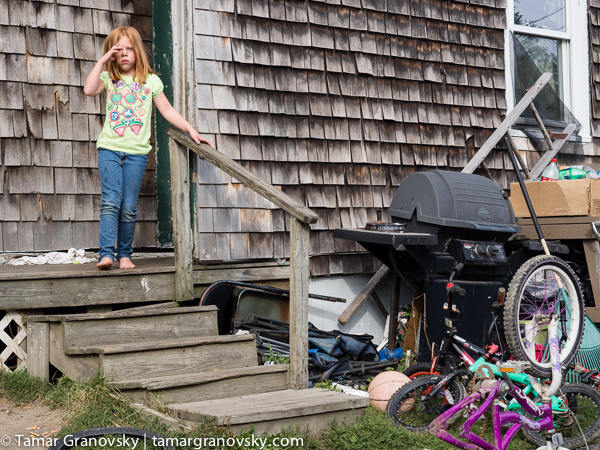
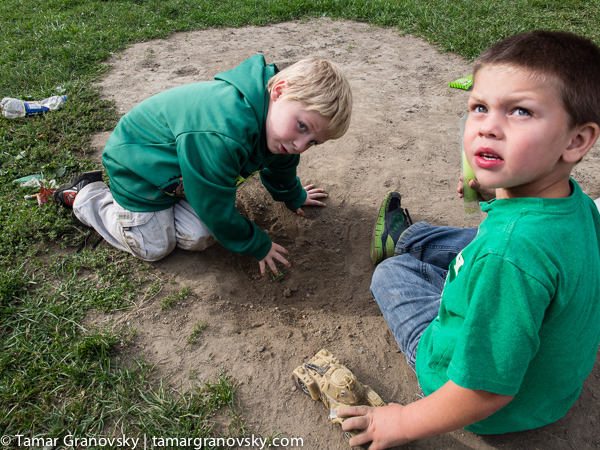
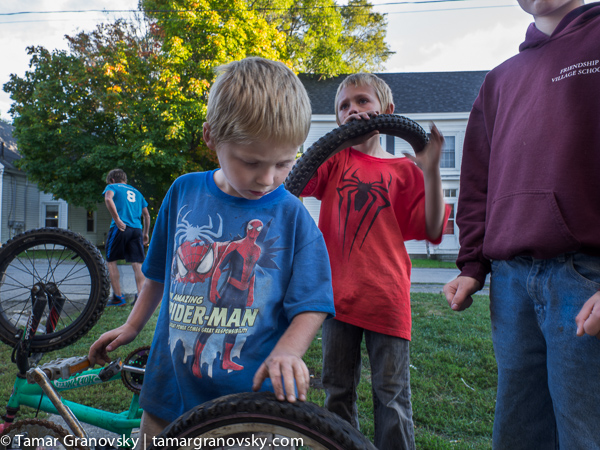
Yet, Maine is as real as anywhere else. In Rockland, I was wandering the streets looking for something that would touch me and inspire photographs, when I stumbled onto Fulton Street. There, I had the opportunity to spend a few afternoons with one particular family and their friends – catching a moment of their everyday life. It was on Fulton Street that I was taken by these people to the palpable world of working families in the heart of “vacationland.” I was fortunate for this chance encounter and their willingness to let me into their lives, briefly. These photographs do not so much tell about the experience as translate it.

Fulton Street

Fulton Street

Fulton Street

Fulton Street

Fulton Street

Fulton Street

Fulton Street

Fulton Street

Fulton Street

Fulton Street

Fulton Street

Fulton Street

Fulton Street

Fulton Street

Fulton Street

Fulton Street


About Face

Yuang Yang Rice Terraces, Yunnan Province, China

Yuang Yang Rice Terraces, Yunnan Province, China

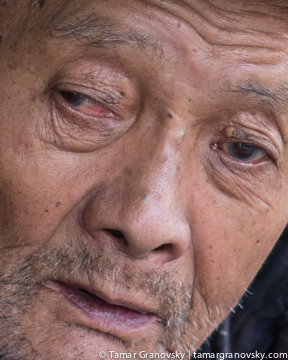
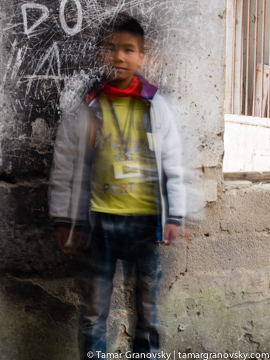
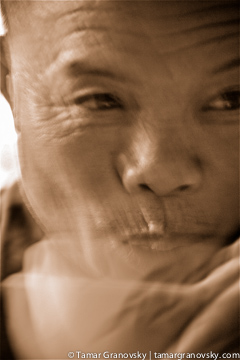
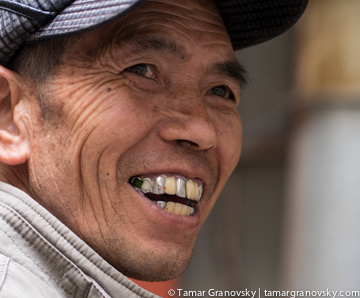
The portraits I took in China between September 2013 and March 2014 are predominantly of the elderly and the very young. As a “laowei” (foreigner), I was particularly struck by the faces of both the children, who will be carrying the impact of the country’s rapid change into the future, and the elders who remain the bearers of centuries-old history and tradition.

I have always considered connecting with people to be one of the central aspects of travel. At heart, instead of going to many of the “must see” travel sites, I would rather meander and observe, interact with, learn about, and photograph people I encounter.

Xingping, Guangxi Province, China

Xingping, Guangxi Province, China

I discovered early on that Chinese people rarely look someone in the eye. Apparently, steady eye contact is viewed as improper and can be regarded as an act of defiance. My attempts to establish a link in this manner were not always reciprocated. However, perhaps because I smile a lot I was often rewarded with eye contact and a smile in return. When I photograph, I approach a person because something about his/her face or demeanour strikes me as worth recording. I seem to have a facility for getting people to agree to let me take photographs of them. Despite the fact that I often get uncomfortably close to their faces, somehow they allow me into their personal space.

Kunming, Yunnan Province, China

Kunming, Yunnan Province, China

I met many wonderful individuals in China with whom I broke bread or had the opportunity for brief conversation (despite my fledgling Chinese). Asking permission to photograph them often allowed me to engage and connect with them. Even if we could not easily communicate, many still let their guard down. I tried to capture those moments.

inhong, Yunnan Province, China

Jinhong, Yunnan Province, China

Hong Kong, China

Hong Kong, China

Le Ju Village (Temple Caretaker), Yunnan Province, China

Le Ju Village (Temple Caretaker), Yunnan Province, China

Xingping, Guangxi Province, China

Xingping, Guangxi Province, China

Beijing, China

Beijing, China

Tulou, Fujian Province, China

Tulou, Fujian Province, China

Xingping, Guangxi Province, China

Xingping, Guangxi Province, China

Kunming, Yunnan Province, China

Kunming, Yunnan Province, China

The Millers

Roz

Roz

At the end of August I spent a week at the Maine Media Workshops and College taking a class with David H. Wells, called “The Humanistic Photo Essay.” On day two David assigned the task of going to the Windsor Fair and telling a story through our photographs. As the week continued we were given the tools to understand what makes a good photograph and story, and taught how to edit our photographs with a critical eye. Although my brain is still trying to process what I learned over the course of the week (there was much food for thought), I’ve figured out that I do not have an interest in narratives; instead I prefer images that hint at a story – at memory and emotion. I am not there yet. Not at all. But it will come.

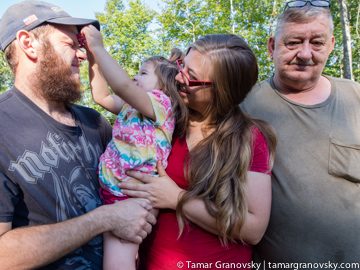
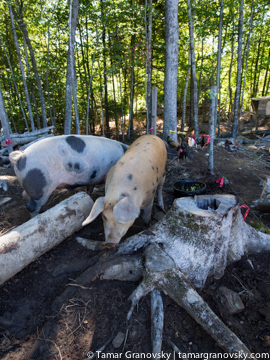
My father took photographs of still-lifes, landscapes, and architecture. He composed his photographs carefully and waited for the right moment to shoot. I, on the other hand, know I am usually too quick on the draw (despite having slowed down to look and see) and that I often do not always take the time needed to wait for the right moment. As I look at photographs of others I realise that there is something to the idea of waiting – waiting for the right light, the right person to walk by, the right angle, etc. But there is also something to be said for place, chance, and surprise. A common thread between my father and myself, however, is that photography has made each of us curious and outgoing. Thus, my day at the Windsor Fair led me to the Miller Family — three generations of farmers who live not far from that Ag Fair. They very kindly let me, a complete stranger, into their lives for a few hours over three days. I cannot thank them enough for the following:

Charlie and Fran

Charlie and Fran

Eggs

Eggs

Group Shot

Group Shot

Lying Around

Lying Around

Mae and Roz

Mae and Roz

Mae

Mae

Scott and a Winner

Scott and a Winner

Shaking off the Soil

Shaking off the Soil

Standing Around

Standing Around

Swine

Swine

The one who LIkes to Bite

The One who Likes to Bite


Why Do People Hate Toronto?

Toronto

Toronto

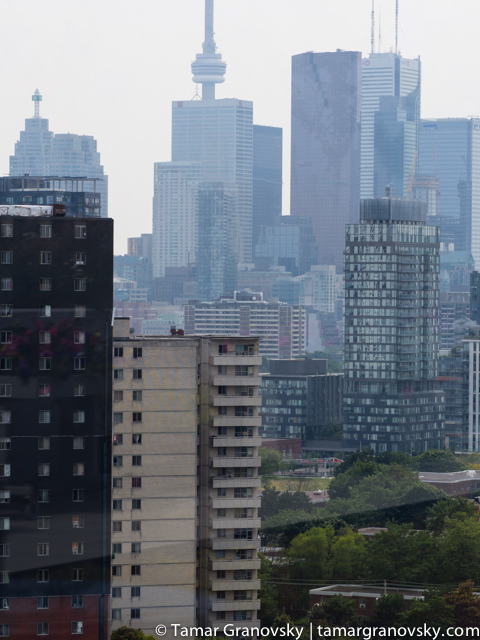
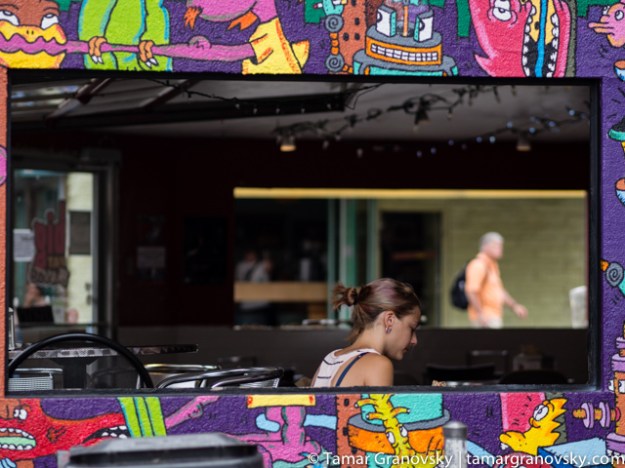
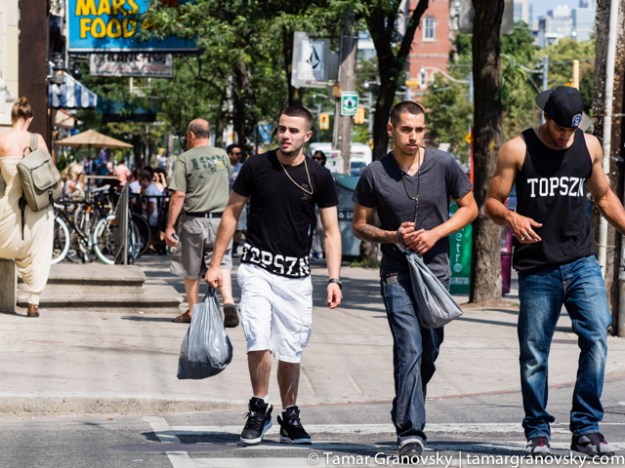
Having lived in Montreal, Calgary, and Toronto, and crossed Canada (twice), it became clear to me years ago that this large nation comprises distinct geographical and cultural regions – primarily the north, the west, the prairies, Ontario, Quebec, the Maritimes, and Newfoundland.  It is not always easy for a large country, with different regions and needs, to be united. Oddly, one of the unifiers is the belief among many Canadians that Torontonians think they are the centre and heartbeat of the country. Montrealers love to hate Toronto and other cities often feel as if they do not count – that they are left out of the Canadian picture. Period. No matter the perception and by whom, Toronto is a strong, energetic, and thriving metropolis.

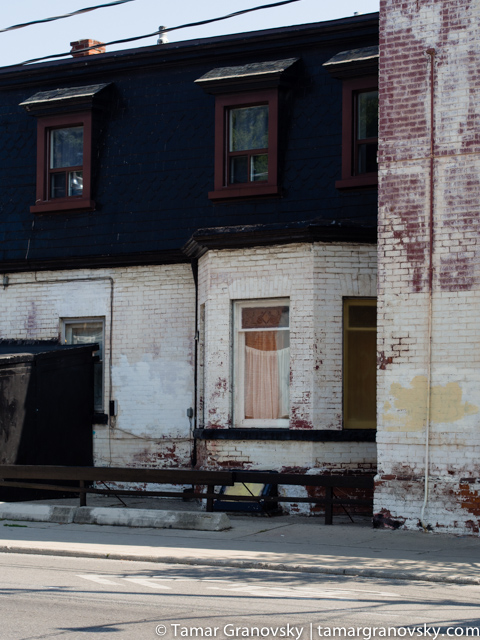
Harbord Street, Toronto

Harbord Street, Toronto

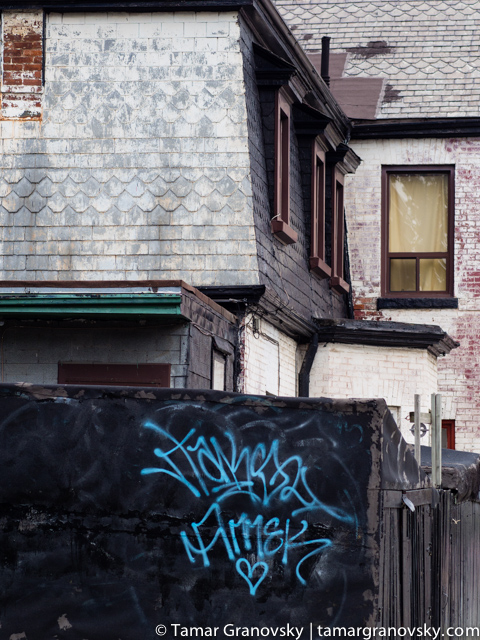
Harbord Street, Toronto

Harbord Street, Toronto

The Greater Metropolitan area of Toronto is over 7,000-square-kilometres with close to 6 million residents at the time of this writing. One would think that with the congestion of cars, the sprawl of the city, the high cost of housing, transportation, food, etc., and the obvious gap between the “haves” and “have-nots” this city would feel oppressive and dispirited. But no. It is a pleasurable, even ebullient place where people seem, at least on the surface of things, to be happy in their home town. The city faces many infrastructural, political, economic, issues but I would much rather focus on what I love about Toronto. In no particular order here is what gets to me each time I visit:

  • immigration and multiculturalism has led to acceptance of difference
    • each neighbourhood is populated by a different immigrant group and named accordingly: Little Italy, Little Portugal, Little India, (multiple) Chinatown(s),  Greek town, etc.
    • there is are festivals in virtually every one of these neighbourhoods
    • excellent international food thanks to the influx and settlement of immigrants from around the world
  • there is a great tolerance (and perhaps even embracement) of gays and lesbians – who have the right to marry should they want to
  • there is less crime in Toronto than in cities of comparable size
  • Toronto is verdant
  • people, young and old, still use bicycles for everyday transportation
  • waterfront development is growing and is used by those who live there and those who visit this cosmopolis
  • the arts scene is vital (and I cannot stress this enough) – whether it be the visual arts, theatre, music, literature, etc.
  • independent bookstores have, for the most part, not gone under. One sees them everywhere
  • downtown housing and commerce co-exist well
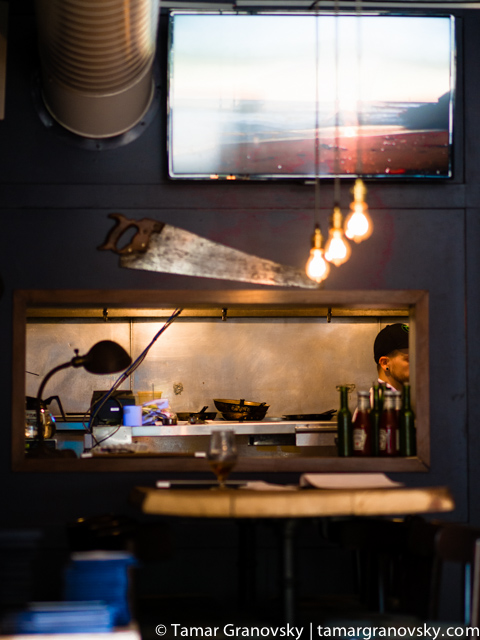
  • the resto scene is excellent (from cheap rotis and diner food to expensive and chi-chi bistros)
  • the public library system is excellent
  • I still bump into people I have not seen in years or decades whenever I visit – despite the large size of the city
Toronto

Kensington Market, Toronto

Here are some tips of things to do, eat, and see:

Neighbourhoods: If you cover a portion of these areas you will feel that you’ve had a great visit.

  • Meander in and out of the streets from Bathurst to Parliament between Bloor (and slightly above) and King or Richmond and you’re safe to cover lots of ground, see tons of neighbourhoods and)
  • Shops and visit galleries on Queen St. from University to Dundas West.  Some of the best walking/shopping is west of Bathurst St.
  • Chinatown and Kensington Market (which are side by side at one point) – near the AGO (See below)
  • University of Toronto campus and the Annex, which is very walkable from Chinatown and the Kensington market
  • The Beaches (east end of Queen Street and south to the boardwalk along Lake Ontario – just take the Queen St. streetcar east)
  • Walk up Yonge St. to just north of Eglington St. (lots of shops that are more of interest, probably, than the main downtown drag between Bloor and Richmond)
  • Danforth area (just walk east on Bloor, cross the bridge and you’ll be there)
  • Harbourfront and the Toronto Islands
  • Historical walks including the one of Mount Pleasant Cemetery
Stanley, Toronto

Stanley, Toronto

The Annex, Toronto

The Annex, Toronto

The Man on the Street, Toronto

The Man on the Street, Toronto

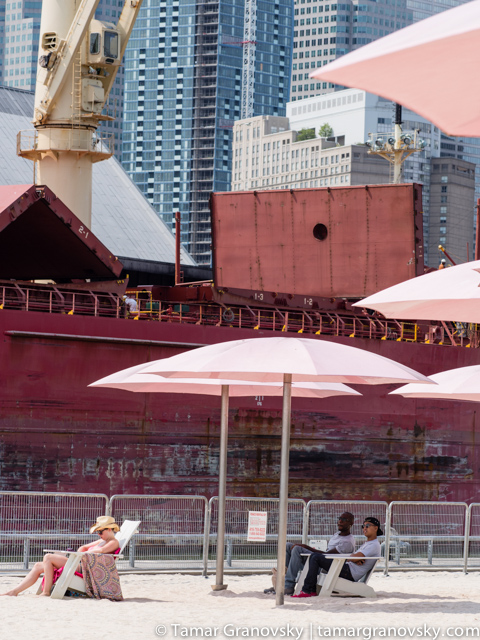
Sugar Beach, Toronto

Sugar Beach, Toronto

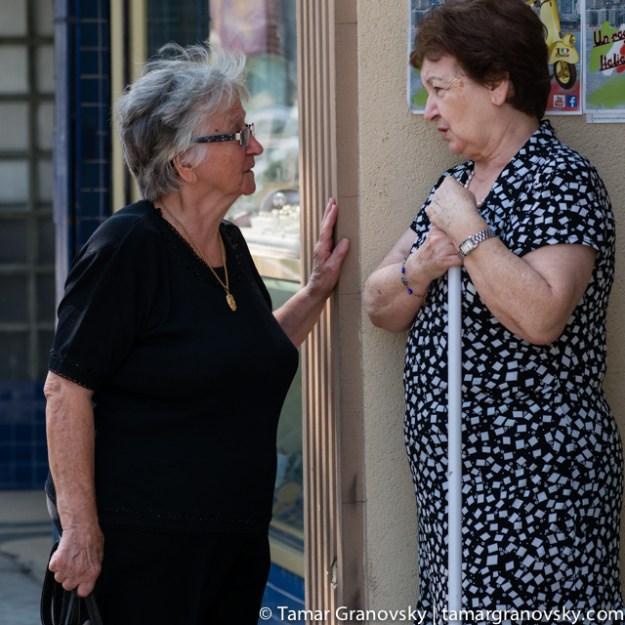
Little Italy, Toronto

Little Italy, Toronto

Queen Street, Toronto

Queen Street, Toronto

For other ideas you can also look at : http://www.torontotourism.com/Visitor/WhatToSeeAndDo/Neighbourhoods/  and http://www.nytimes.com/interactive/2014/07/30/garden/toronto-design.html?ref=garden

Art:

Galleries: check out: https://www.nowtoronto.com/art/listings/

Other:

Food:

Take a look at: http://www.toronto.com/best/categories/

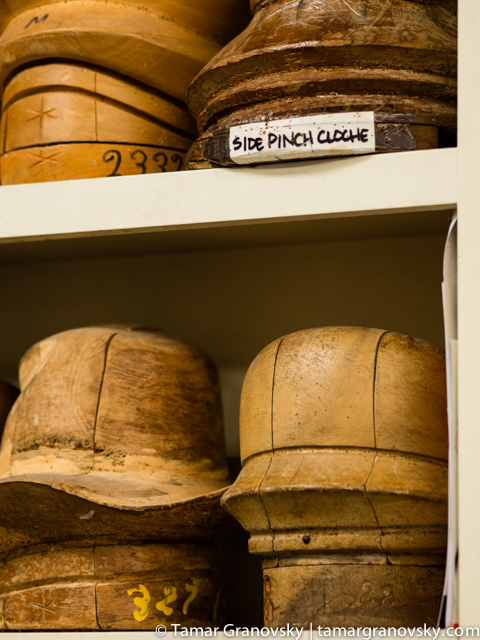
Lillyput Hats, Toronto

Lillyput Hats, Toronto

College and Bathurst, Toronto

College and Bathurst, Toronto

The Huntsman, Toronto

The Huntsman, Toronto

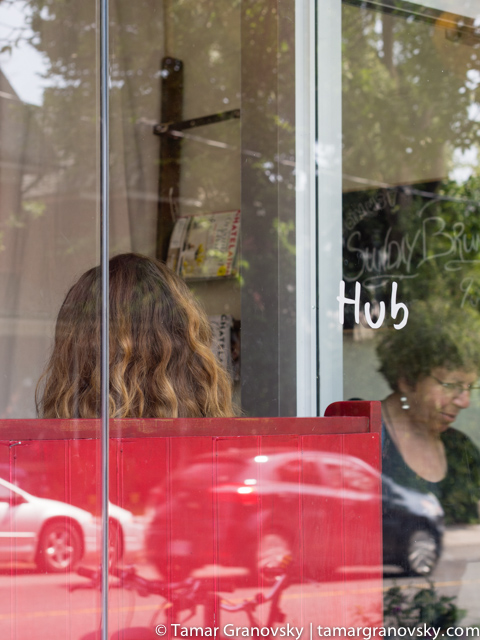
Hub Coffee House, Toronto

Hub Coffee House, Toronto

For more on Toronto take a look at:  Toronto Life and Now Toronto