Category Archives: Photography, Reflections

Look At Me. I Am Here

Abandoned House, Maine

Abandoned House, Maine

Every photograph is, in some respect, a self-portrait. The photographs I take say as much about me as they do about my subjects, since how I perceive the world is purely subjective. Photography is about seeing, feeling, longing, remembrance, and connection. It should suggest questions, without necessarily giving answers. The camera frames what I see and the moment I frame something, I express myself by what I’ve chosen to include and to exclude. The act of taking a photograph is a very personal endeavour.

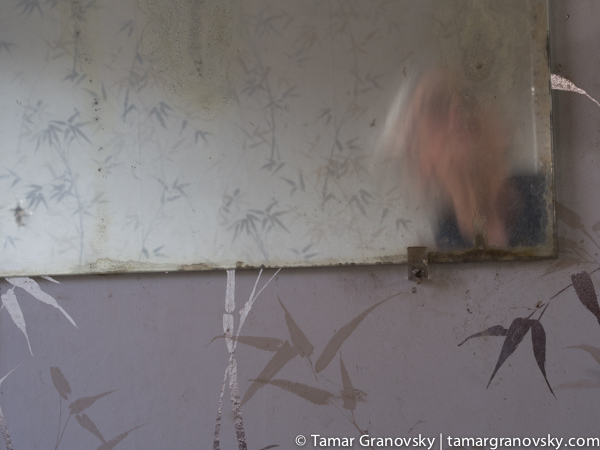
All of our time is spent with our selves. Given that, I have decided that I might as well take photographs of my own body, self-portraits if you will, to try to get below my own surface.  After all, I am here. I want to see my self – get very close. Dig deeply.

Recently, I bought a “smart” phone and have tried taking some “selfies.” I discovered that I have difficulty looking at and pointing the camera toward my own face. This year, I turned fifty-five. I am aging and photographs reveal this reality. No matter, I have decided to dive into social media and show self-portraits on Instagram. I am interested in identity and understanding how we see and identify ourselves.
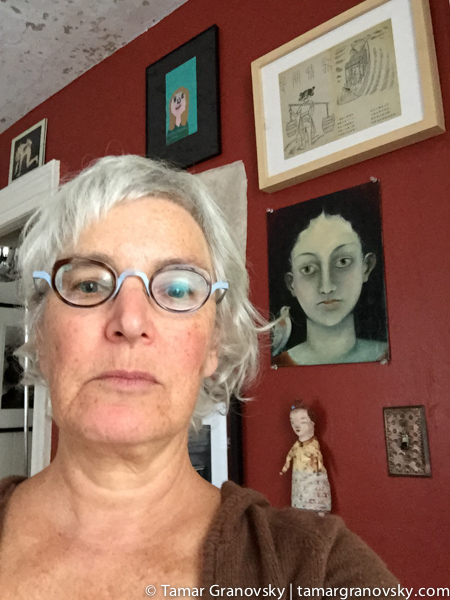
At Home (one of my very first "selfies")

At Home (one of my very first “selfies”)

Yet, the truth of the matter is that I like to be behind the lens rather than in front of it. I am, at heart, a voyeur and like looking into other people’s windows (literally and figuratively); this is why I keep the shades down at night. So, I have decided to peer into myself.  What do I see? How can I capture and communicate my emotions?

On the street I am attentive. I take the camera with me and shoot with purpose. However, now that I have an in-phone camera I shoot with a new-found frequency, more loosely, and freely. I am ever more connected to the process, to play, impulse, and chance. I suspect the phone changes the way I photograph because it is always there – better than any “Instamatic” ever was. Much of the time I turn it toward me.

The iPhone and Olympus OMD-EM5 camera are the tools through which I speak. And yet turning the camera on myself, my face, my body, I find they fail me. My body appears conspicuous. The skin ages. Joints creak. I am a stranger to myself. This “otherness” changes, daily. I am here and although it requires effort, these self-portraits open a dialogue with my self.
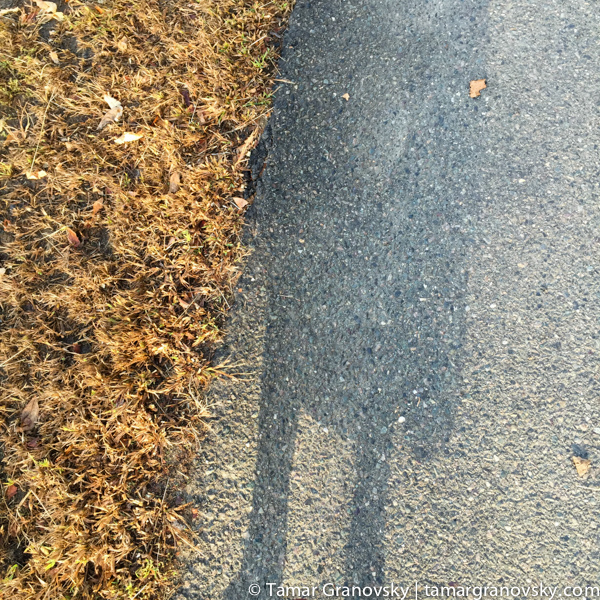
Along the Charles River

Along the Charles River

Along the Charles River

Along the Charles River

At Home
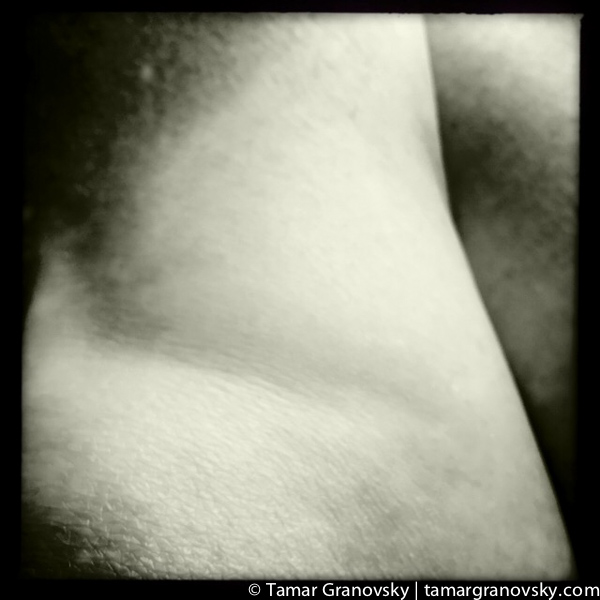
At Home

Sunday Afternoon

Sunday Afternoon

One Bright Day
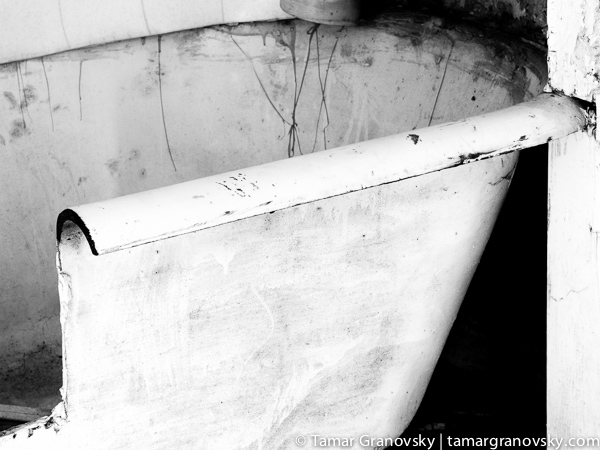
One Bright Day
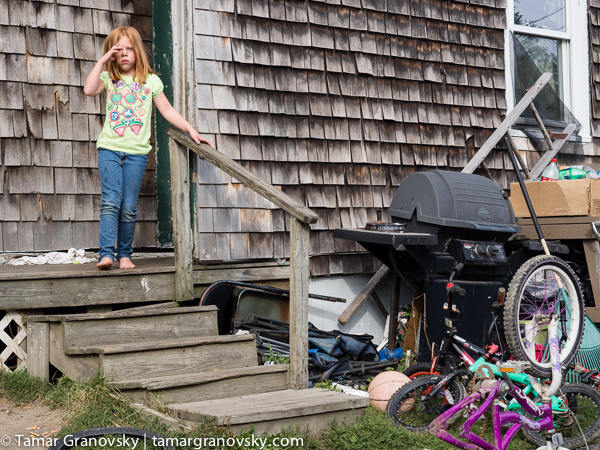
 

The Abandoned House: Rockport, Maine

Outside

Outside

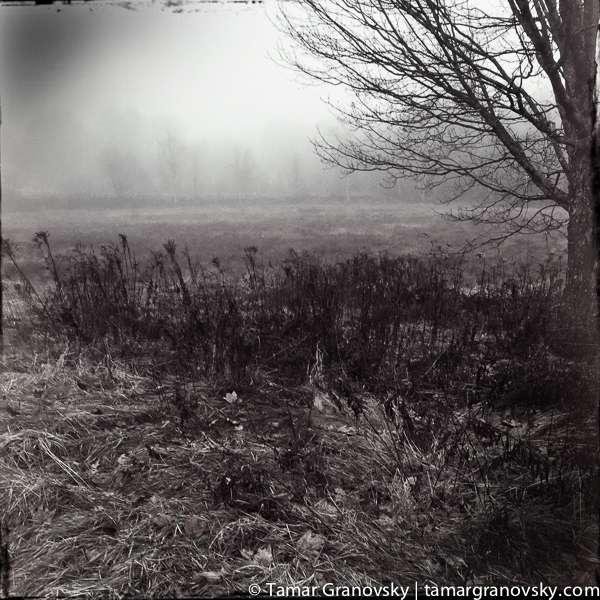
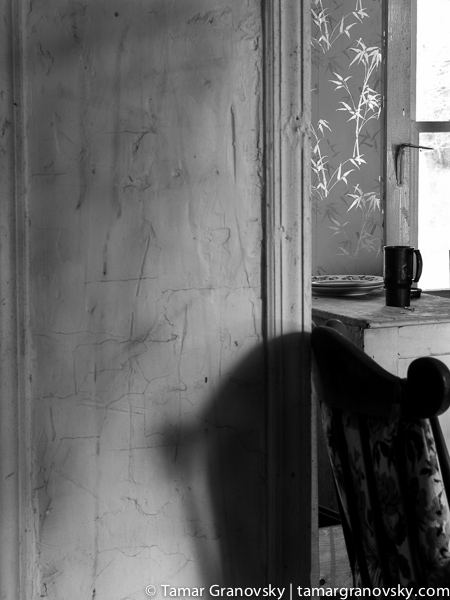
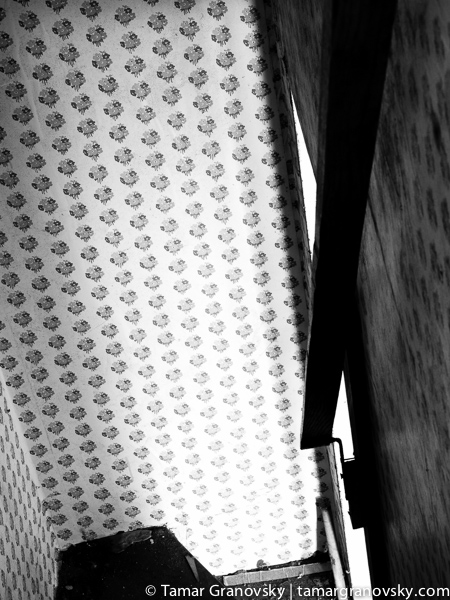
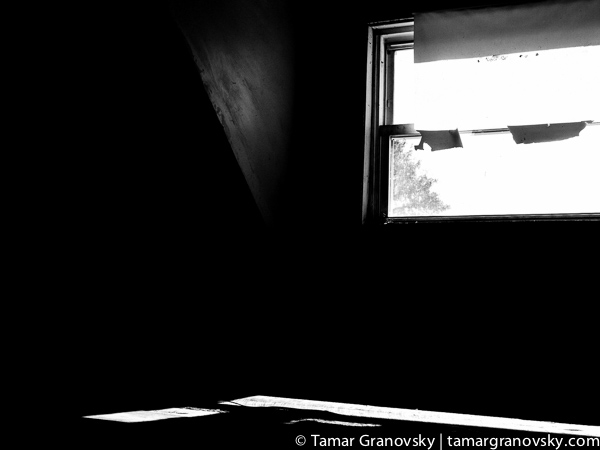
Haunted? Probably not. However, there is something irresistible about entering an abandoned building. Who inhabited it?  What did they do? How many people have passed through? The questions can go on. Answers are elusive yet the environment is rife with traces of the past. Often these places also show the marks of others who have visited before you:  vandalism like broken glass or graffiti, for example. When you go into a deserted house there is a chance you will discover collapsing floors or roofs.

Relics of architecture of times past such as fairgrounds, German bunkers, crashed airplane sites, grain elevators, factories, and other uninhabited architectural spaces are, I find, intensely beautiful. I feel a strong urge to explore them and thus truly gravitate toward them like a magnet. Somehow, I belong in these frozen places. Below are photographs of one small, neglected and no longer inhabited house in Rockport, Maine.

The photos were taken with my iPhone (using the Hipstamatic software) or with my Olympus OMD-EM5, on a tripod. The Hipstamatic software satisfies our general. tangible, nostalgic longings (why else develop such an app for the iPhone?); through various “lenses” and “film” you can produce different black and white contrasts, photographs that mimic Polaroid shots, tintypes, and other analogue-like photography. The photographs taken with my Olympus micro-four-thirds camera were lightly processed to convert colour into black and white  – as I wanted them to look.

I chose black and white because it lends itself to high contrast but may also be worked so that images are softer and more subtle. With colour removed, lines, shapes and light take on a more important role. Certain details in a colour image may go unnoticed or become too busy; black and white can remove these distractions. Black and white was appropriate for transmitting the nature of this place  – the extraordinary within the ordinary. It is more abstract and “symbolic” and takes you to another place and time. And, for the first time, I see my work differently when it is not in colour.
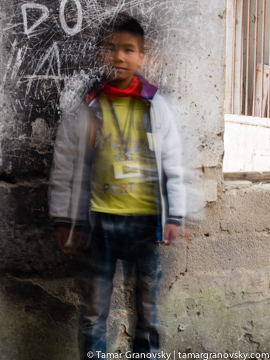
Outside

Outside

Outside

Outside

Inside Looking Out

Inside Looking Out

Inside

Inside

Inside

Inside

Inside

Inside

Inside

Inside

Inside

Inside

Outside My Door


Outside My Home

No Bird on the Wires (or in the birdhouse)

I have been in quite an artistic funk of late. I am at a crossroad and do not know where I am heading so cannot figure out the route I need to take to get there. I only know that I am ready to move forward. I look at the photographic work of others and it seems they have a purpose. As they do – I, too, want to produce images that are beautiful, emotional, have power, and touch people deeply. It is the way I feel about the world and life. Such intangibles.

Then I remind myself that there is a wealth of interesting life all around me – right outside my door. Nothing is insignificant.  The ordinary is what I must keep my eyes and heart open to.  My intention is to really see. My intention is to connect to the world.  Perhaps then I will find the latent core of what surrounds me or, at the very least, get a glimpse of understanding. If I head out there with the purpose of capturing images that can have an emotional impact then I will likely not succeed. I tend to forget that I work best on instinct. If I second-guess myself I end up less receptive to the everyday, to mysteries and questions. This process will take years of hard, ongoing, work, time, and patience. I am just at the beginning. And yet, and yet… I hope to never quite get there so that I may continue to discover the world.

Outside My Home

Playground Slide

Outside My Home

Broadway Street

Outside My Home

M.I.T.

Outside My Home

M.I.T.

Outside My Home

Cloud


It’s All a Blur

Rockport, Maine

Maine

Many people associate movement in photography with fast moving subjects. But movement or blur, with intention, of slower or still subjects can turn out brilliant. I believe a photographer must be able to control her/his photographs. When I take a portrait I always focus on the eyes of my subject. When doing street photography, however, I do not have control over people’s action so I concentrate on framing the shot first for composition and then decide whether I want to use the camera as a tool to stop the movement or to emphasize it. Visualizing the potential of the scene/frame is key to getting all the elements in place as I shoot. To emphasize motion I set the camera on a low shutter speed and take shots so that the longer exposure time captures the moving subject. On and off I have played with this “style” of blur and the quirks related to it. Using a technique to obscure can add a painterly aspect to a photograph. It can also bring about an intangible or elusive feeling- whether it is frank or “natural” photographs or creating a more abstract feel of a place and time. Which may reflect my view on life… mysterious and abstract…. unfathomable.

Diner, Florida

Florida

Skateboarder, Maine

Maine

Xingping, Guangxi Province, China

China

Camden, Maine

Maine

Street Scene, Maine

Maine

Outside my Home

Outside my Home


Fulton Street


Fulton Street

Fulton Street

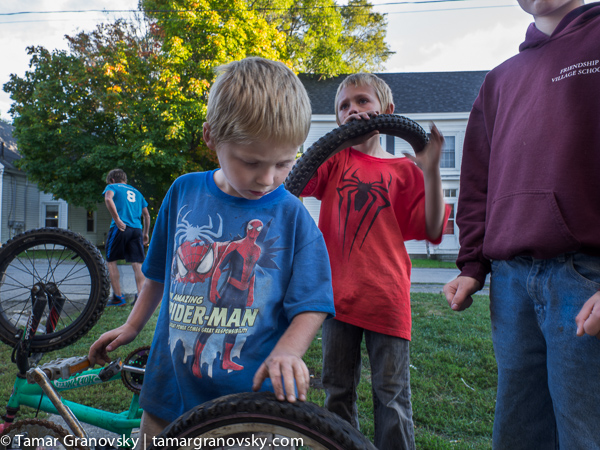
Route One, in Maine, follows the Atlantic coastline. Side by side with the water, sand, and gnarled landscape there are charming towns, scenic fishing villages, fancy oceanfront resorts, lobster shacks, and chique new restaurants that sell locally brewed beers and sustainably farmed food. Tourist brochures for Maine offer peaceful retreats and family-fun experiences;  it is a “vacationland” as the license plates of this state would have it.

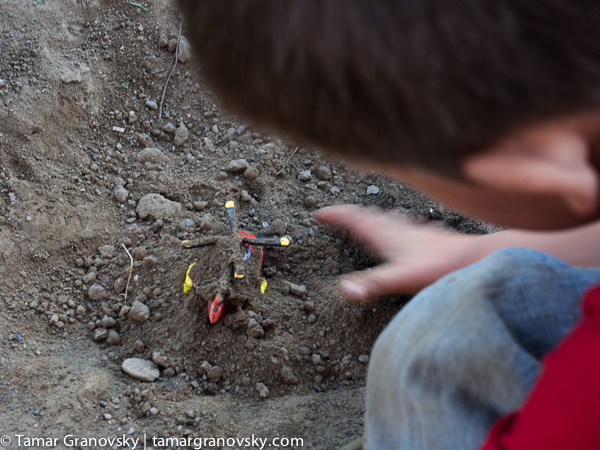
Yet, Maine is as real as anywhere else. In Rockland, I was wandering the streets looking for something that would touch me and inspire photographs, when I stumbled onto Fulton Street. There, I had the opportunity to spend a few afternoons with one particular family and their friends – catching a moment of their everyday life. It was on Fulton Street that I was taken by these people to the palpable world of working families in the heart of “vacationland.” I was fortunate for this chance encounter and their willingness to let me into their lives, briefly. These photographs do not so much tell about the experience as translate it.

Fulton Street

Fulton Street

Fulton Street

Fulton Street

Fulton Street

Fulton Street

Fulton Street

Fulton Street

Fulton Street

Fulton Street

Fulton Street

Fulton Street

Fulton Street

Fulton Street

Fulton Street

Fulton Street


About Face

Yuang Yang Rice Terraces, Yunnan Province, China

Yuang Yang Rice Terraces, Yunnan Province, China

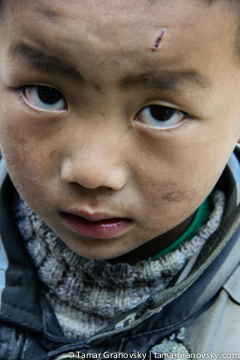
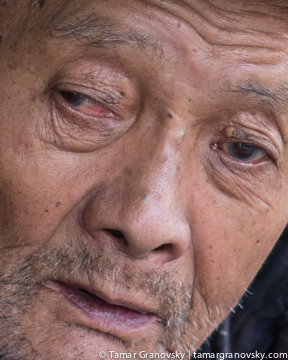
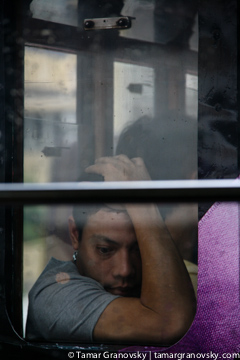
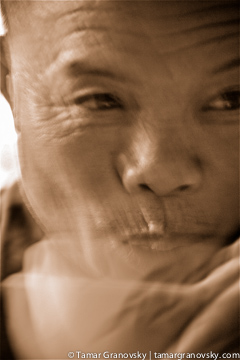
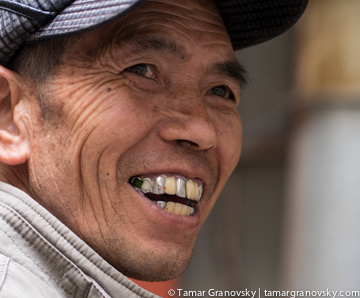
The portraits I took in China between September 2013 and March 2014 are predominantly of the elderly and the very young. As a “laowei” (foreigner), I was particularly struck by the faces of both the children, who will be carrying the impact of the country’s rapid change into the future, and the elders who remain the bearers of centuries-old history and tradition.

I have always considered connecting with people to be one of the central aspects of travel. At heart, instead of going to many of the “must see” travel sites, I would rather meander and observe, interact with, learn about, and photograph people I encounter.

Xingping, Guangxi Province, China

Xingping, Guangxi Province, China

I discovered early on that Chinese people rarely look someone in the eye. Apparently, steady eye contact is viewed as improper and can be regarded as an act of defiance. My attempts to establish a link in this manner were not always reciprocated. However, perhaps because I smile a lot I was often rewarded with eye contact and a smile in return. When I photograph, I approach a person because something about his/her face or demeanour strikes me as worth recording. I seem to have a facility for getting people to agree to let me take photographs of them. Despite the fact that I often get uncomfortably close to their faces, somehow they allow me into their personal space.

Kunming, Yunnan Province, China

Kunming, Yunnan Province, China

I met many wonderful individuals in China with whom I broke bread or had the opportunity for brief conversation (despite my fledgling Chinese). Asking permission to photograph them often allowed me to engage and connect with them. Even if we could not easily communicate, many still let their guard down. I tried to capture those moments.

inhong, Yunnan Province, China

Jinhong, Yunnan Province, China

Hong Kong, China

Hong Kong, China

Le Ju Village (Temple Caretaker), Yunnan Province, China

Le Ju Village (Temple Caretaker), Yunnan Province, China

Xingping, Guangxi Province, China

Xingping, Guangxi Province, China

Beijing, China

Beijing, China

Tulou, Fujian Province, China

Tulou, Fujian Province, China

Xingping, Guangxi Province, China

Xingping, Guangxi Province, China

Kunming, Yunnan Province, China

Kunming, Yunnan Province, China